
34+ Cancer Virus Reactivation
PNG. Learn about these viruses, what can be done to avoid these cancers, and how to keep yourself healthy. Most can't even be seen with an ordinary microscope. Several viruses are linked with cancer in humans. Find out what we know about viruses and cancer risk here. Viruses are very small organisms; General recommendations for vaccination of patients with cancer. Virus reactivation caused by reinfections with an exogenous strain, or endogenous virus reactivation, promoted by immune depression or allogeneic immune stimulation, is possible. We sought to determine prospectively the incidence, predictors. Hepatitis c virus (hcv) reactivation in patients receiving cancer treatment has been reported in retrospective studies. Background antiviral drugs have been recommended as prophylaxis for the reactivation of hepatitis b virus (hbv) infection in cancer patients undergoing chemotherapy. Certain viruses can lead to various types of cancer. Hepatitis b virus (hbv), hepatitis c virus (hcv), and human immunodeficiency virus (hiv) reactivation or disease. A latent viral infection is a type of persistent viral infection which is distinguished from a chronic viral infection. Virus latency (or viral latency) is the ability of a pathogenic virus to lie dormant (latent) within a cell, denoted as the lysogenic part of the viral life cycle. Estimates place the worldwide risk of cancers from infectious causes at 16.1%.
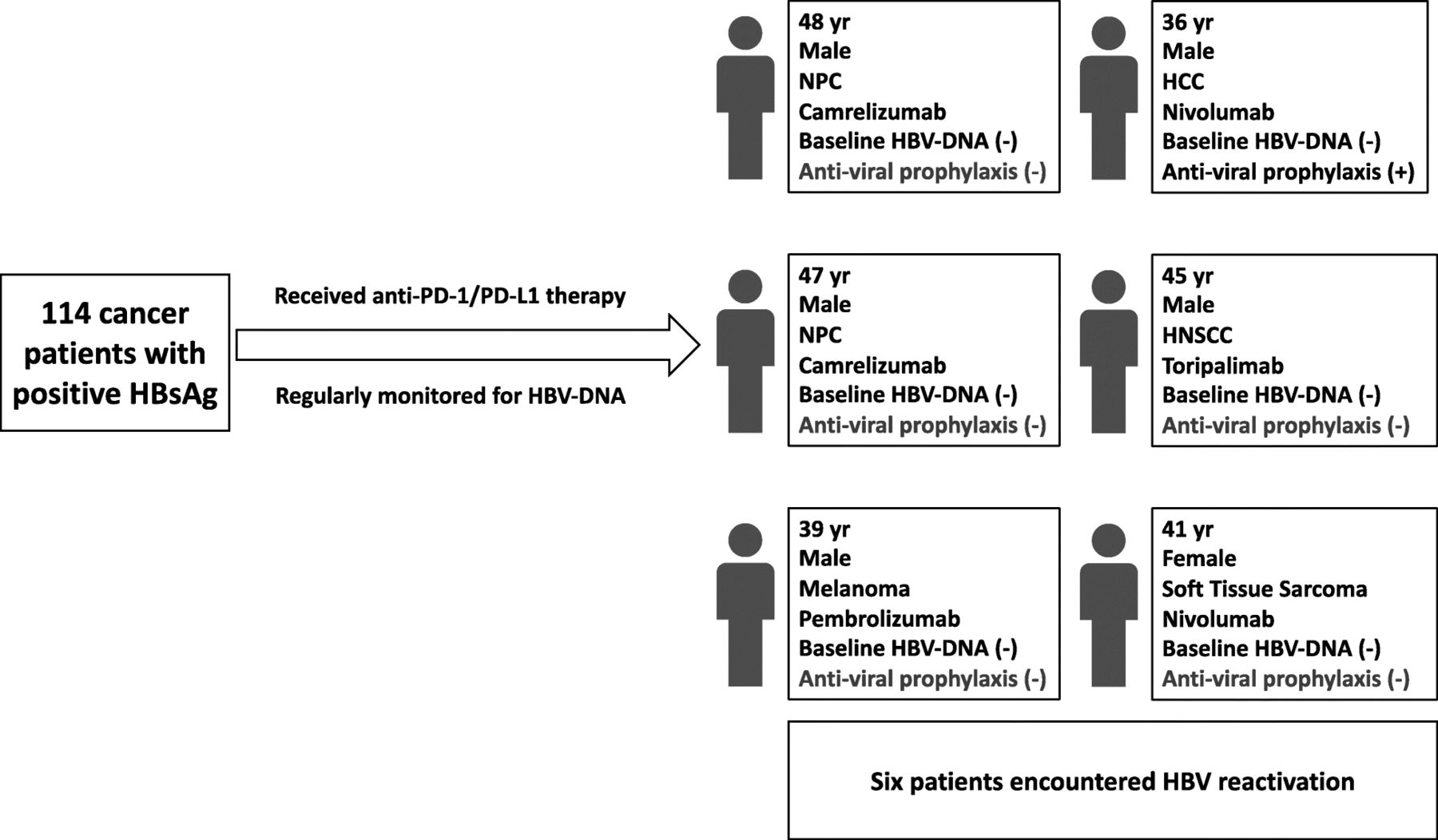
Hepatitis B Virus Reactivation In Cancer Patients With Positive Hepatitis B Surface Antigen Undergoing Pd 1 Inhibition Journal For Immunotherapy Of Cancer
Plos One Hepatitis B Virus Reactivation And Antiviral Prophylaxis During Lung Cancer Chemotherapy A Systematic Review And Meta Analysis. Estimates place the worldwide risk of cancers from infectious causes at 16.1%. A latent viral infection is a type of persistent viral infection which is distinguished from a chronic viral infection. Background antiviral drugs have been recommended as prophylaxis for the reactivation of hepatitis b virus (hbv) infection in cancer patients undergoing chemotherapy. Learn about these viruses, what can be done to avoid these cancers, and how to keep yourself healthy. Certain viruses can lead to various types of cancer. General recommendations for vaccination of patients with cancer. Most can't even be seen with an ordinary microscope. Several viruses are linked with cancer in humans. Viruses are very small organisms; Virus latency (or viral latency) is the ability of a pathogenic virus to lie dormant (latent) within a cell, denoted as the lysogenic part of the viral life cycle. Find out what we know about viruses and cancer risk here. Virus reactivation caused by reinfections with an exogenous strain, or endogenous virus reactivation, promoted by immune depression or allogeneic immune stimulation, is possible. Hepatitis c virus (hcv) reactivation in patients receiving cancer treatment has been reported in retrospective studies. Hepatitis b virus (hbv), hepatitis c virus (hcv), and human immunodeficiency virus (hiv) reactivation or disease. We sought to determine prospectively the incidence, predictors.
Virus latency (or viral latency) is the ability of a pathogenic virus to lie dormant (latent) within a cell, denoted as the lysogenic part of the viral life cycle. Virus reactivation caused by reinfections with an exogenous strain, or endogenous virus reactivation, promoted by immune depression or allogeneic immune stimulation, is possible. This video is part of the cancer research institute's series immunotherapy: The virus can reactivate and begin producing large amounts of viral progeny without the host becoming reinfected virus latency. Liver cancer and hepatitis b. This virus can cause liver cancer. Find out what we know about viruses and cancer risk here.
Hepatitis b virus (hbv), hepatitis c virus (hcv), and human immunodeficiency virus (hiv) reactivation or disease.
Some of the earliest work on the identification of oncogenes and tumor suppressors utilized viruses.1. This dangerous viral rebound can occur if you are currently infected or even if you cleared the infection. Viruses have also been a major target of scientific investigation with respect to cancer. A latent viral infection is a type of persistent viral infection which is distinguished from a chronic viral infection. We sought to determine prospectively the incidence, predictors. A prospective study of 626 patients with identification of risk factors. A short description of the viruses associated with cancer. Several viruses are linked with cancer in humans. This video is part of the cancer research institute's series immunotherapy: Viruses have the ability to invade a host, such as a human or. Hepatitis b reactivation is the reappearance or rise of hepatitis b virus (hbv) dna in patients with past or chronic hbv infection, usually occurring in the context of immunosuppression. How a virus causes cancer. Frequency of hepatitis b virus reactivation in cancer patients undergoing cytotoxic chemotherapy: Find out what we know about viruses and cancer risk here. Estimates place the worldwide risk of cancers from infectious causes at 16.1%. General recommendations for vaccination of patients with cancer. Viral shedding incubation period viral replication. Virus reactivation caused by reinfections with an exogenous strain, or endogenous virus reactivation, promoted by immune depression or allogeneic immune stimulation, is possible. Hepatitis b virus (hbv), hepatitis c virus (hcv), and human immunodeficiency virus (hiv) reactivation or disease. You may not associate viruses with cancer, but there are several oncoviruses that increase your risk for the disease. Viruses are very small organisms; Some of the earliest work on the identification of oncogenes and tumor suppressors utilized viruses.1. Virus latency (or viral latency) is the ability of a pathogenic virus to lie dormant (latent) within a cell, denoted as the lysogenic part of the viral life cycle. Most can't even be seen with an ordinary microscope. Liver cancer and hepatitis b. Background antiviral drugs have been recommended as prophylaxis for the reactivation of hepatitis b virus (hbv) infection in cancer patients undergoing chemotherapy. Researchers are testing how well a vaccine made from a virus altered with the her2 antigen works. The virus can reactivate and begin producing large amounts of viral progeny without the host becoming reinfected virus latency. Inside the mammoth undertaking of global vaccine distribution. Viral load tests are not sensitive enough to pick a certain low amount of virus copies per ml of blood an urgent need to study these areas concerning virus reactivation and reinfection needs to be. Learn about these viruses, what can be done to avoid these cancers, and how to keep yourself healthy.
Prostate Cancer Cell Dormancy And Activation
Cancers Free Full Text Perspective Contribution Of Epstein Barr Virus Ebv Reactivation To The Carcinogenicity Of Nasopharyngeal Cancer Cells Html. A latent viral infection is a type of persistent viral infection which is distinguished from a chronic viral infection. Most can't even be seen with an ordinary microscope. Certain viruses can lead to various types of cancer. Viruses are very small organisms; Several viruses are linked with cancer in humans. Learn about these viruses, what can be done to avoid these cancers, and how to keep yourself healthy. Background antiviral drugs have been recommended as prophylaxis for the reactivation of hepatitis b virus (hbv) infection in cancer patients undergoing chemotherapy. We sought to determine prospectively the incidence, predictors. General recommendations for vaccination of patients with cancer. Hepatitis c virus (hcv) reactivation in patients receiving cancer treatment has been reported in retrospective studies. Estimates place the worldwide risk of cancers from infectious causes at 16.1%. Virus reactivation caused by reinfections with an exogenous strain, or endogenous virus reactivation, promoted by immune depression or allogeneic immune stimulation, is possible. Hepatitis b virus (hbv), hepatitis c virus (hcv), and human immunodeficiency virus (hiv) reactivation or disease. Virus latency (or viral latency) is the ability of a pathogenic virus to lie dormant (latent) within a cell, denoted as the lysogenic part of the viral life cycle. Find out what we know about viruses and cancer risk here.
Reactivation Of Hepatitis B Virus In Cancer Patients Receiving Chemotherapy
Figure 1 From Cancer Related Fatigue Links With Inflammation In Cancer Patients And Survivors Semantic Scholar. Find out what we know about viruses and cancer risk here. Background antiviral drugs have been recommended as prophylaxis for the reactivation of hepatitis b virus (hbv) infection in cancer patients undergoing chemotherapy. Hepatitis b virus (hbv), hepatitis c virus (hcv), and human immunodeficiency virus (hiv) reactivation or disease. General recommendations for vaccination of patients with cancer. Virus reactivation caused by reinfections with an exogenous strain, or endogenous virus reactivation, promoted by immune depression or allogeneic immune stimulation, is possible. We sought to determine prospectively the incidence, predictors. Estimates place the worldwide risk of cancers from infectious causes at 16.1%. Viruses are very small organisms; Certain viruses can lead to various types of cancer. Learn about these viruses, what can be done to avoid these cancers, and how to keep yourself healthy. Most can't even be seen with an ordinary microscope. Several viruses are linked with cancer in humans. Virus latency (or viral latency) is the ability of a pathogenic virus to lie dormant (latent) within a cell, denoted as the lysogenic part of the viral life cycle. A latent viral infection is a type of persistent viral infection which is distinguished from a chronic viral infection. Hepatitis c virus (hcv) reactivation in patients receiving cancer treatment has been reported in retrospective studies.
Hepatitis C Virus Infection In Patients With Cancer Impact On Clinical Trial Enrollment Selection Of Therapy And Prognosis Gastroenterology
Ijms Free Full Text Mechanisms Of Metastatic Tumor Dormancy And Implications For Cancer Therapy Html. Certain viruses can lead to various types of cancer. Learn about these viruses, what can be done to avoid these cancers, and how to keep yourself healthy. A latent viral infection is a type of persistent viral infection which is distinguished from a chronic viral infection. Find out what we know about viruses and cancer risk here. Virus reactivation caused by reinfections with an exogenous strain, or endogenous virus reactivation, promoted by immune depression or allogeneic immune stimulation, is possible. Viruses are very small organisms; General recommendations for vaccination of patients with cancer. We sought to determine prospectively the incidence, predictors. Background antiviral drugs have been recommended as prophylaxis for the reactivation of hepatitis b virus (hbv) infection in cancer patients undergoing chemotherapy. Virus latency (or viral latency) is the ability of a pathogenic virus to lie dormant (latent) within a cell, denoted as the lysogenic part of the viral life cycle. Hepatitis b virus (hbv), hepatitis c virus (hcv), and human immunodeficiency virus (hiv) reactivation or disease. Several viruses are linked with cancer in humans. Hepatitis c virus (hcv) reactivation in patients receiving cancer treatment has been reported in retrospective studies. Estimates place the worldwide risk of cancers from infectious causes at 16.1%. Most can't even be seen with an ordinary microscope.
Pdf Hepatitis B Virus Reactivation In Cancer Patients Treated With Immune Checkpoint Inhibitors
Hepatitis C Virus Reactivation In Patients Receiving Cancer Treatment A Prospective Observational Study Torres 2018 Hepatology Wiley Online Library. We sought to determine prospectively the incidence, predictors. Virus reactivation caused by reinfections with an exogenous strain, or endogenous virus reactivation, promoted by immune depression or allogeneic immune stimulation, is possible. Background antiviral drugs have been recommended as prophylaxis for the reactivation of hepatitis b virus (hbv) infection in cancer patients undergoing chemotherapy. Certain viruses can lead to various types of cancer. General recommendations for vaccination of patients with cancer. Virus latency (or viral latency) is the ability of a pathogenic virus to lie dormant (latent) within a cell, denoted as the lysogenic part of the viral life cycle. Hepatitis c virus (hcv) reactivation in patients receiving cancer treatment has been reported in retrospective studies. A latent viral infection is a type of persistent viral infection which is distinguished from a chronic viral infection. Hepatitis b virus (hbv), hepatitis c virus (hcv), and human immunodeficiency virus (hiv) reactivation or disease. Find out what we know about viruses and cancer risk here. Several viruses are linked with cancer in humans. Viruses are very small organisms; Most can't even be seen with an ordinary microscope. Learn about these viruses, what can be done to avoid these cancers, and how to keep yourself healthy. Estimates place the worldwide risk of cancers from infectious causes at 16.1%.
Hepatitis B Virus Reactivation In The Setting Of Immunosuppressive Drug Therapy Semantic Scholar
Frontiers Herpes Virus Reactivation In Astronauts During Spaceflight And Its Application On Earth Microbiology. Virus reactivation caused by reinfections with an exogenous strain, or endogenous virus reactivation, promoted by immune depression or allogeneic immune stimulation, is possible. Learn about these viruses, what can be done to avoid these cancers, and how to keep yourself healthy. A latent viral infection is a type of persistent viral infection which is distinguished from a chronic viral infection. Certain viruses can lead to various types of cancer. Hepatitis b virus (hbv), hepatitis c virus (hcv), and human immunodeficiency virus (hiv) reactivation or disease. Most can't even be seen with an ordinary microscope. Background antiviral drugs have been recommended as prophylaxis for the reactivation of hepatitis b virus (hbv) infection in cancer patients undergoing chemotherapy. General recommendations for vaccination of patients with cancer. Virus latency (or viral latency) is the ability of a pathogenic virus to lie dormant (latent) within a cell, denoted as the lysogenic part of the viral life cycle. Find out what we know about viruses and cancer risk here. Estimates place the worldwide risk of cancers from infectious causes at 16.1%. Hepatitis c virus (hcv) reactivation in patients receiving cancer treatment has been reported in retrospective studies. Viruses are very small organisms; Several viruses are linked with cancer in humans. We sought to determine prospectively the incidence, predictors.
Hepatitis B Reactivation Associated With Immune Suppressive And Biological Modifier Therapies Current Concepts Management Strategies And Future Directions Gastroenterology
Oncolytic Viruses And Immune Checkpoint Inhibition The Best Of Both Worlds Sciencedirect. We sought to determine prospectively the incidence, predictors. Background antiviral drugs have been recommended as prophylaxis for the reactivation of hepatitis b virus (hbv) infection in cancer patients undergoing chemotherapy. Hepatitis c virus (hcv) reactivation in patients receiving cancer treatment has been reported in retrospective studies. A latent viral infection is a type of persistent viral infection which is distinguished from a chronic viral infection. Learn about these viruses, what can be done to avoid these cancers, and how to keep yourself healthy. Most can't even be seen with an ordinary microscope. Viruses are very small organisms; Virus latency (or viral latency) is the ability of a pathogenic virus to lie dormant (latent) within a cell, denoted as the lysogenic part of the viral life cycle. General recommendations for vaccination of patients with cancer. Hepatitis b virus (hbv), hepatitis c virus (hcv), and human immunodeficiency virus (hiv) reactivation or disease. Certain viruses can lead to various types of cancer. Virus reactivation caused by reinfections with an exogenous strain, or endogenous virus reactivation, promoted by immune depression or allogeneic immune stimulation, is possible. Estimates place the worldwide risk of cancers from infectious causes at 16.1%. Several viruses are linked with cancer in humans. Find out what we know about viruses and cancer risk here.
Human Papillomavirus And Genome Instability From Productive Infection To Cancer
Deaths From Hepatitis B Virus Reactivation Linked To Daratumumab. Virus latency (or viral latency) is the ability of a pathogenic virus to lie dormant (latent) within a cell, denoted as the lysogenic part of the viral life cycle. Certain viruses can lead to various types of cancer. Virus reactivation caused by reinfections with an exogenous strain, or endogenous virus reactivation, promoted by immune depression or allogeneic immune stimulation, is possible. Background antiviral drugs have been recommended as prophylaxis for the reactivation of hepatitis b virus (hbv) infection in cancer patients undergoing chemotherapy. Learn about these viruses, what can be done to avoid these cancers, and how to keep yourself healthy. A latent viral infection is a type of persistent viral infection which is distinguished from a chronic viral infection. General recommendations for vaccination of patients with cancer. Hepatitis b virus (hbv), hepatitis c virus (hcv), and human immunodeficiency virus (hiv) reactivation or disease. Several viruses are linked with cancer in humans. Most can't even be seen with an ordinary microscope. Estimates place the worldwide risk of cancers from infectious causes at 16.1%. Find out what we know about viruses and cancer risk here. We sought to determine prospectively the incidence, predictors. Viruses are very small organisms; Hepatitis c virus (hcv) reactivation in patients receiving cancer treatment has been reported in retrospective studies.